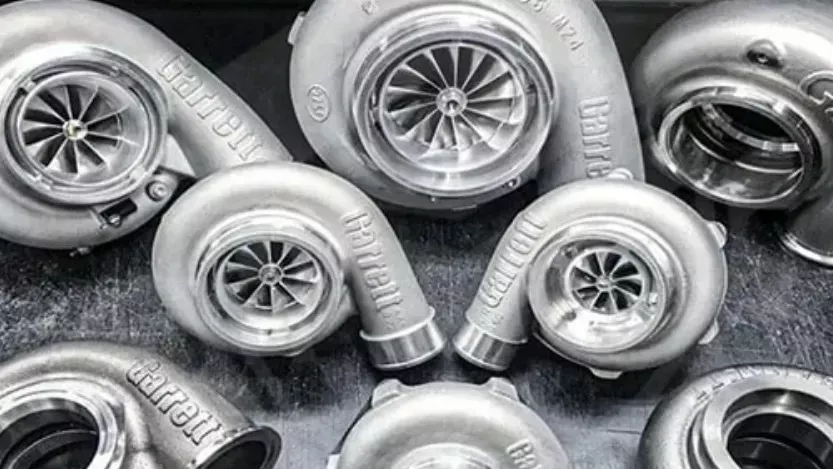
What is a turbocharged charging?
In order to increase the efficiency and efficiency of the engine and to compensate for the lack of air in the car cylinder, automobile factories have increased the volume of the engine. In case, with the increase in engine size, the fuel consumption increases significantly, and as a result, air pollution also increases. It also results in low engine efficiency. In order to solve the problem, devices called turbocharged engines were introduced in order to increase the power and power of the engine and improve the quality of the combustion system. The turbocharged engine is actually a compressor that performs its task through air suction.
The main word is turbo charger, which is known as turbo charging. Another name of this device is turbo supercharger, which condenses the air entering the engine if the volume of the engine is kept constant in order to have more engine efficiency, and as a result, the fuel system works better.
How turbocharging work
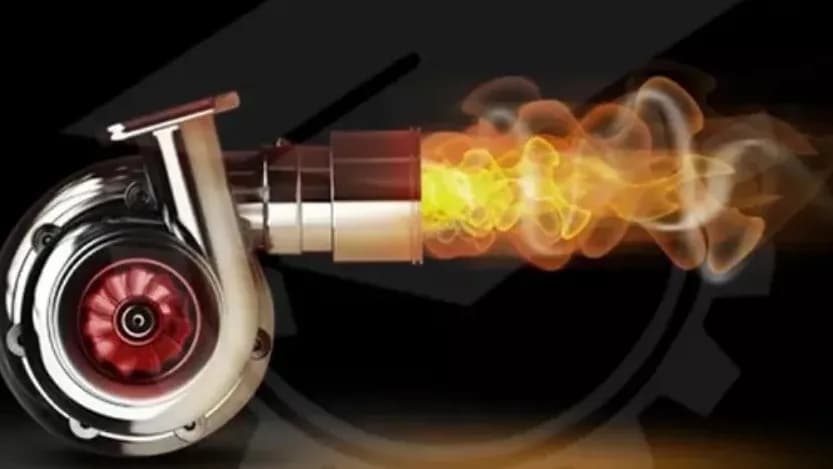
Now that we are familiar with the turbocharged engine and its components, it is time to learn how the turbocharged engine works. The turbo charging engine consists of two connected fans connected by a rod shaft so that the rotation of one causes the rotation of the second fan. With the production of hot gas by the cylinders and its exit, the turbine rotates and the fan that is in the path of this turbine rotates.
Next, the second shaft and fan starts to rotate. The second fan, known as the compressor, is installed in front of the engine inlet and completes its task by sending air to the cylinders. Turbocharged engines are used at high speeds and by creating a relative vacuum, they cause air to enter the cylinder, and usually turbocharged engines do not perform well at low speeds.
Driving tips with turbocharged engine
One of the points that must be paid attention to when using turbocharged engines is the driving tips with a turbocharged engine. Despite the complex structure and the wide advantages of using a turbocharger, you must be careful while driving to prevent damage to other parts of the car engine. The first point is not to suddenly press the gas pedal to start the car. First, time should be devoted to heating the engine oil and when its temperature rises and reaches all the different parts of the engine and the correct positioning of the engine shaft, start the car. Otherwise, it is necessary to pay a lot of money to repair the car engine.
Types of turbocharged engine
The benefits of turbocharged charging
Using turbo charging in a car has various advantages. The advantages of turbo charging are:
The use of turbo charging in gasoline and diesel engines
Application in all types of vehicles such as cars, trucks and buses
Reduction of fuel pollution
Increased energy and engine efficiency
Saving car fuel consumption up to 10%
What is the turbocharged engine?
A turbo engine is a type of internal combustion engine that has been enhanced using a turbocharger. These engines use a turbocharger to increase the air pressure entering the cylinders, which increases the output power of the engine without the need to increase its volume. Turbocharged engines are capable of producing more power than naturally aspirated (non-turbocharged) engines because they can force more air into the cylinders at higher pressure.
Using turbo engines has several advantages, including increasing fuel efficiency and reducing exhaust emissions. Due to the ability to produce more power with a smaller engine volume, these engines are widely used in sports and luxury cars. Also, turbo engines can improve vehicle performance in different weather conditions, because they are able to compensate for the decrease in air density at different altitudes and temperature conditions.